CONSCIOUSNESS & CREATION
Imagination, the Secret of Creation
Begin with the inner picture you hold and the creative responsibility it carries.
 SONNY BERNAUD TCHAKAAUTHOR · DESIGNER · TEACHER
THE BOOKS & THE TEACHING
Explore the series, discover a title, and read an excerpt before choosing where to begin.
A PLACE TO BEGIN
Begin with what speaks to you. Discover your creative nature, deepen your prayer practice, or bring greater awareness to your relationships.
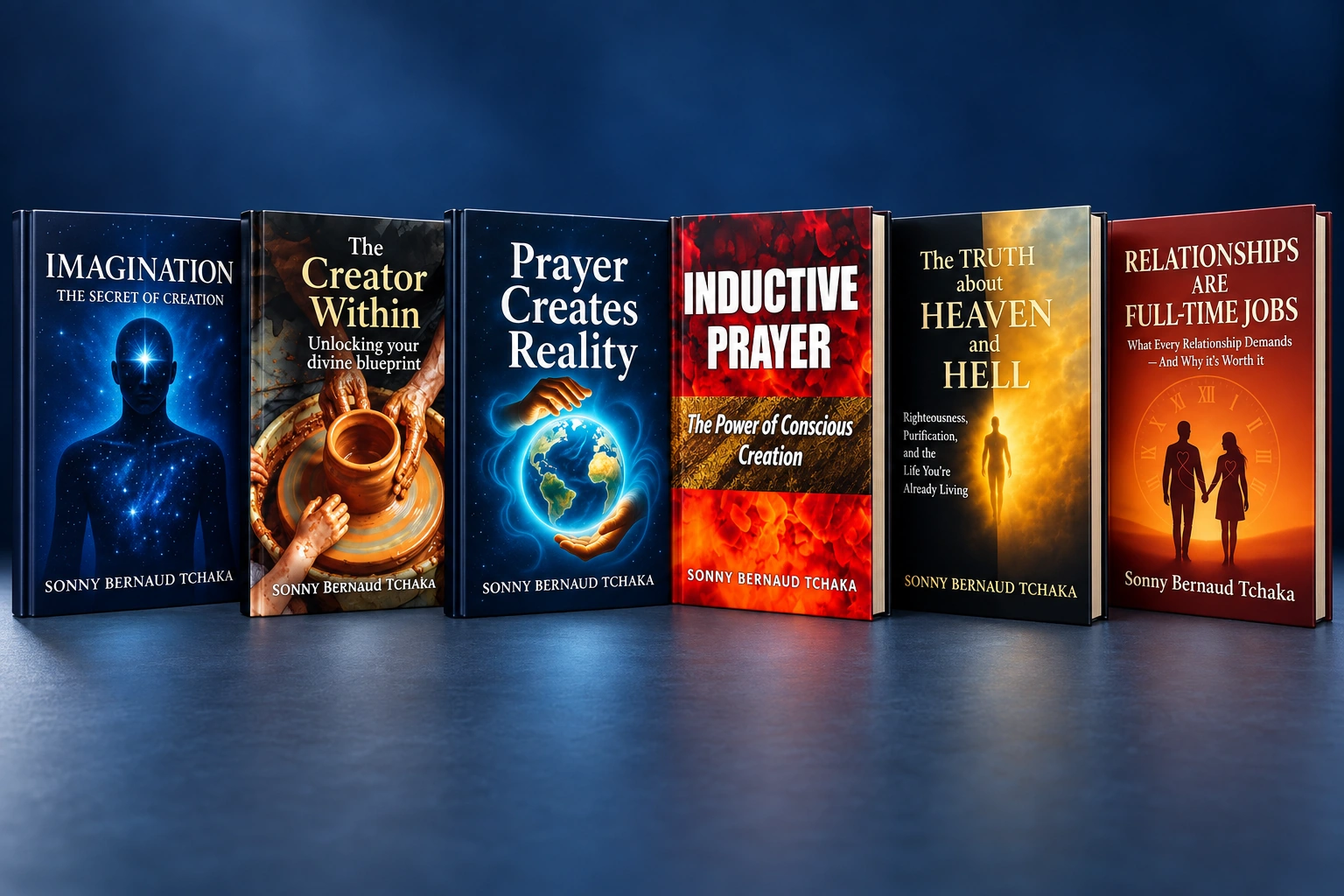
Consciousness, prayer, and conscious living.
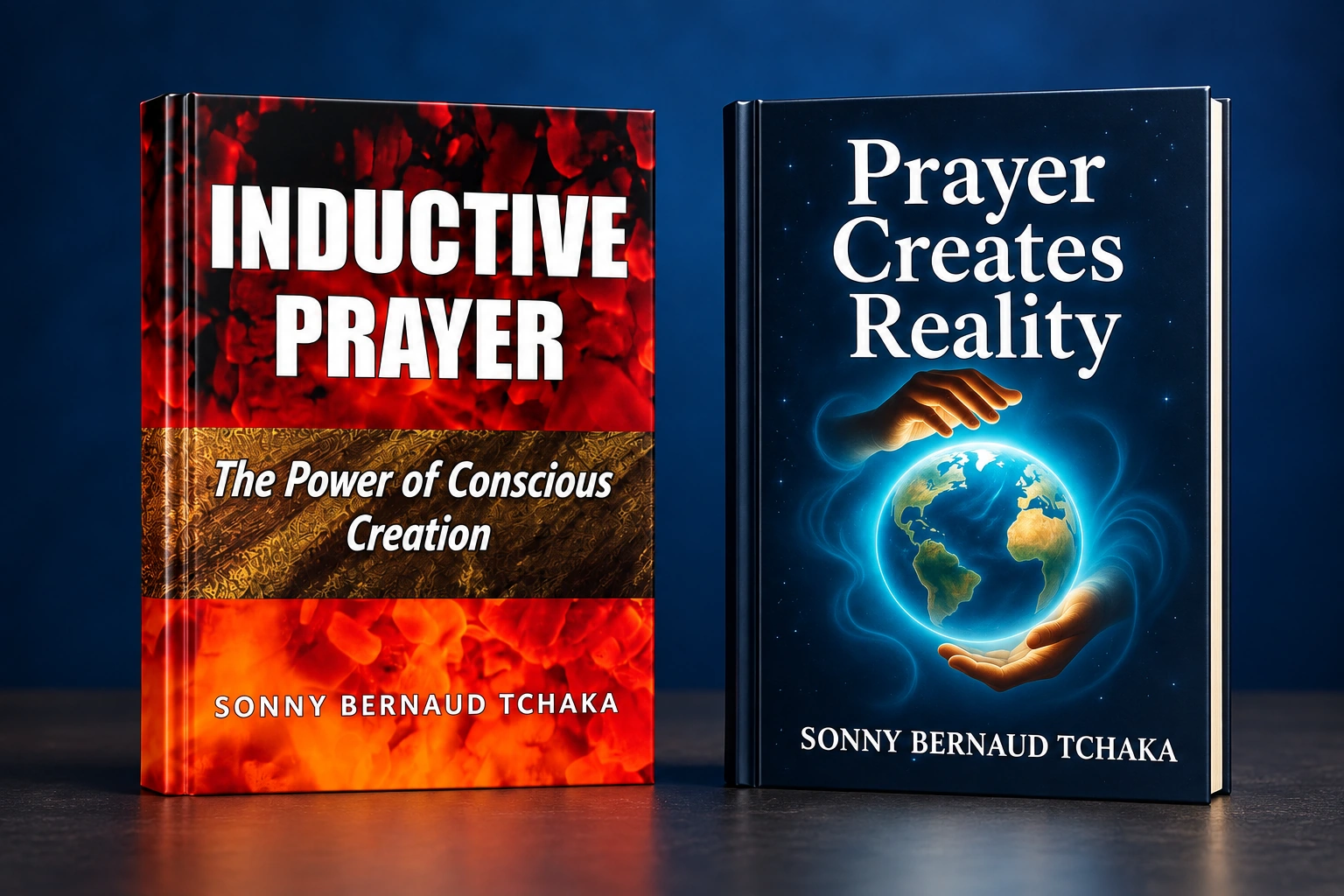
From inner acceptance to expression.
Begin with the inner picture you hold and the creative responsibility it carries.
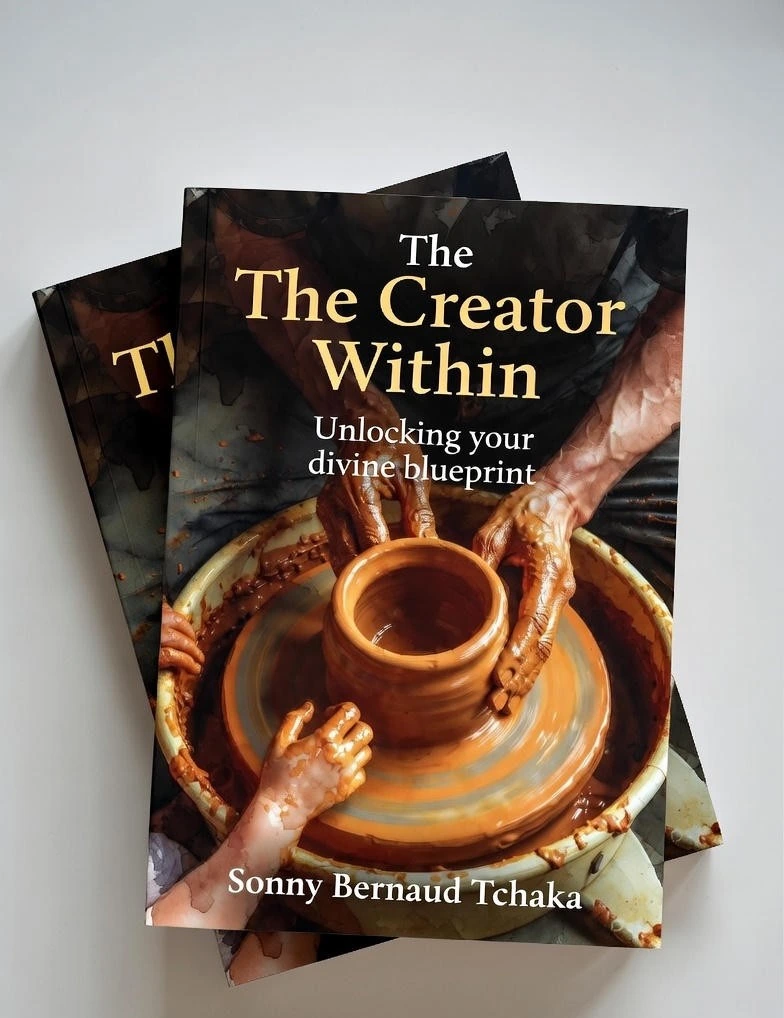
Explore your unity with the divine Source and the authority of conscious participation.
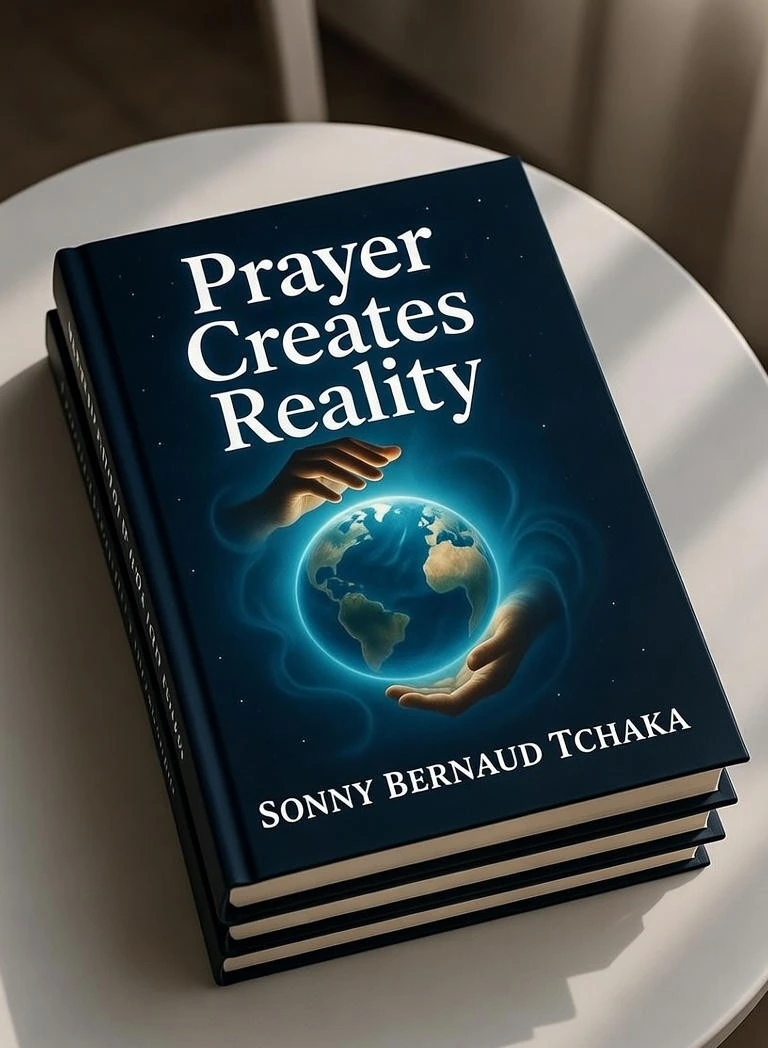
Move into prayer as an inward acceptance of the life you intend to express.
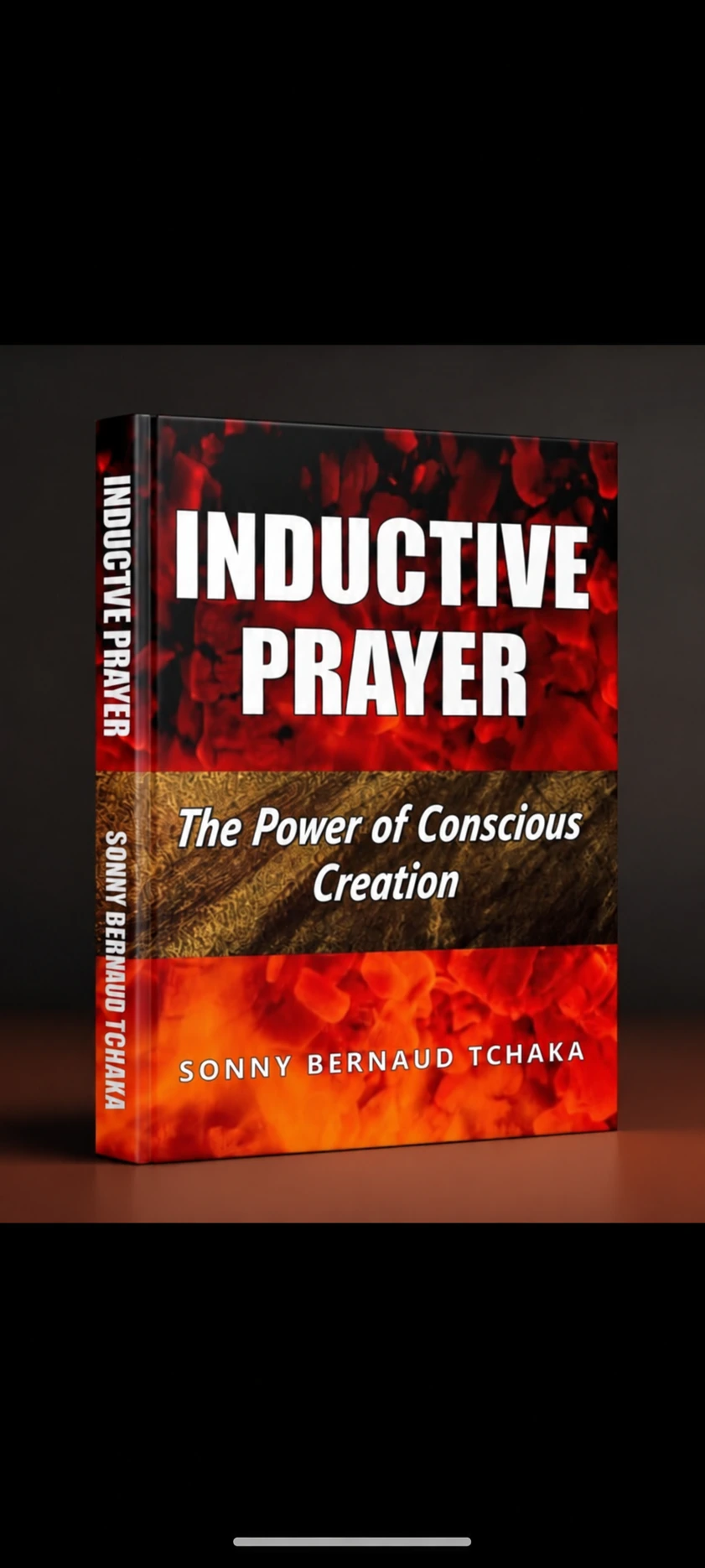
Understand prayer through the state you establish and the condition you bring toward expression.
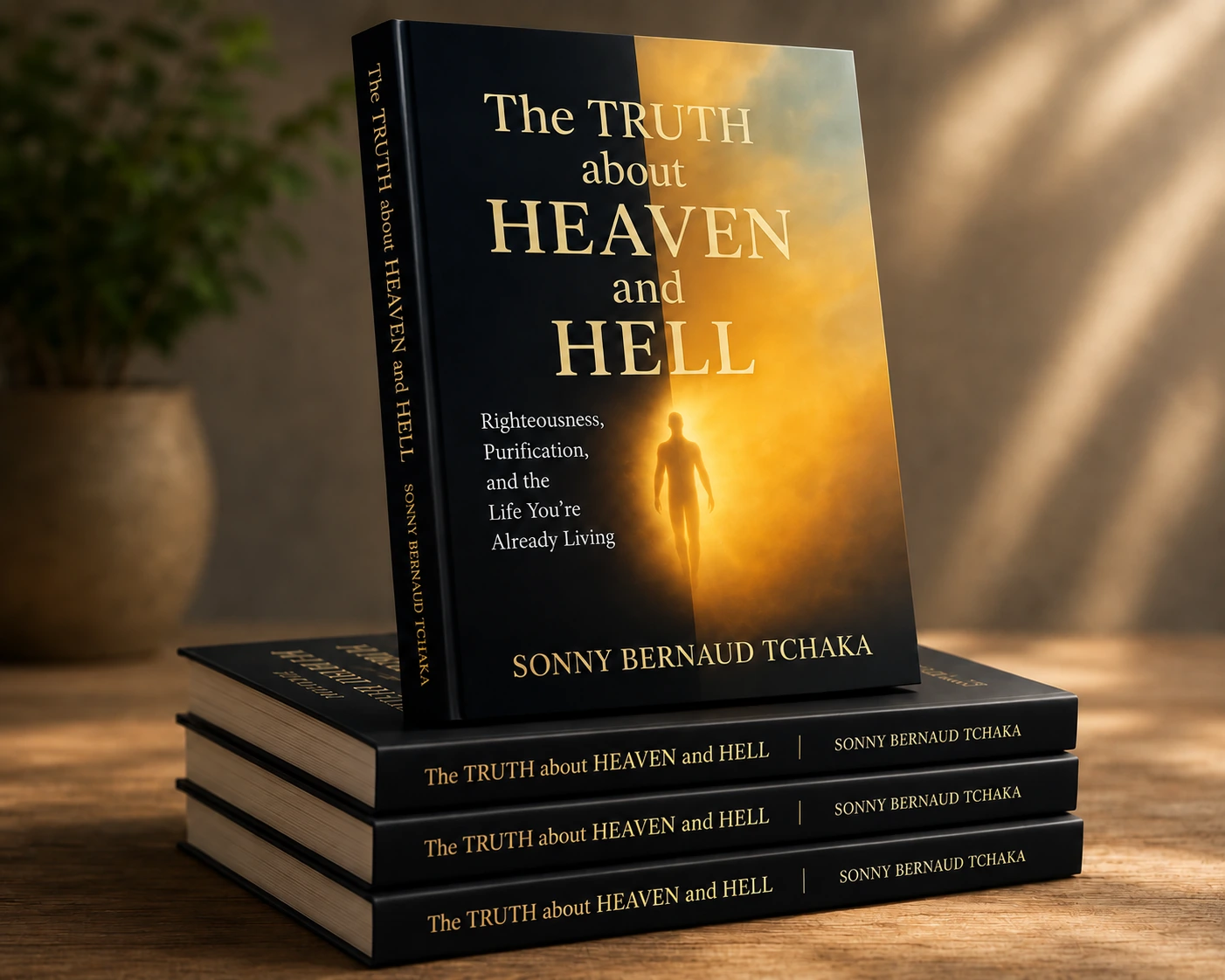
Explore a teaching of consciousness and correspondence, with freedom from fear at its heart.
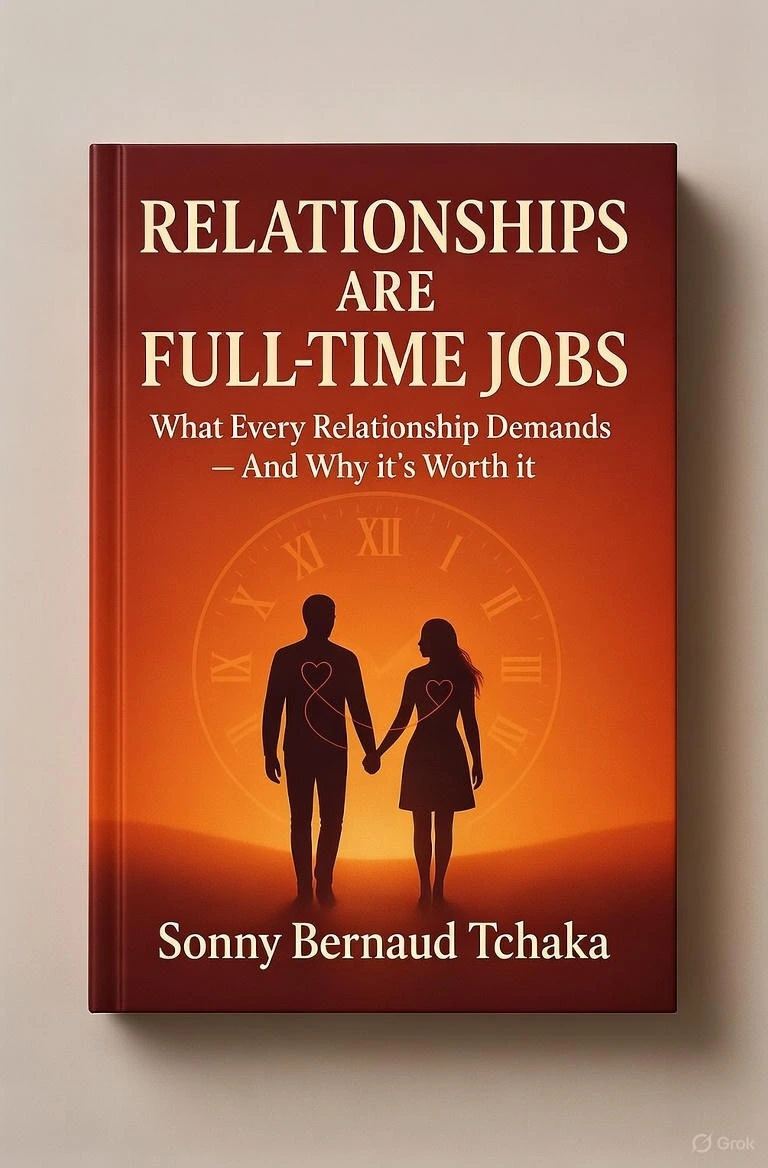
Bring presence, responsibility, and consistent care to the relationships you choose to build.
A selection from Sonny’s body of work. Choose a title to explore its theme and a reflection to begin.
137 books across 20 series
The bedrock of the entire body of work — establishing the Creator within, the imagination, the levels of readiness, salvation versus redemption, and the formless origin of all creation.
Five volumes mapping the full architecture of consciousness as the ground of all perceived and created reality.
Four volumes unpacking the immutable laws — Hermetic, universal, and as demonstrated by Jesus — that govern conscious creation.
Seven volumes dismantling religion's prayer and rebuilding it as a science of consciousness.
Five volumes establishing faith not as a religious virtue but as an impersonal, operational law of consciousness.
Five volumes on sovereignty, inner governance, maturity, conscience and the will — the lived expression of divine authority.
Two volumes dismantling the geography of afterlife and restoring heaven and hell as states of consciousness.
Six volumes on conscious love, covenant, the art of loving, and the full-time labour of authentic relationship.
Six volumes establishing the biblical and metaphysical case for Oneness — the mystery of God and Christ, the Trinity revisited, and joint heirship.
God on Trial for the Doctrine of the Trinity — a five-volume dramatized series from indictment to verdict.
Four volumes of consciousness awakening in real time — seminars, dialogues, and dramatizations.
Four volumes reading Scripture as a metaphysical architecture of consciousness, symbol, and the inner Christ.
Three volumes on the I AM name — its ontological depth, its pre-Abrahamic reality, and its creative declaration.
Two volumes establishing the SELF of man as God individualized and unpacking identity in God and in Christ.
Nine volumes — Prelude plus eight domain-specific books — establishing the consent principle as the hinge of every moral, psychological, relational, and material event in human life.
Four volumes on the deep interior work of abiding, seeking, resting, and aligning the heart with its true source — the still centre beneath all spiritual movement.
Eleven independent volumes spanning two minds and one truth, holiness, already-seated authority, the dark night, righteousness as business, the Christ lifestyle, freely given love, extravagant grace, unrelenting perseverance, the mathematics of being, and the infinite expression of life.
Four practical formation tools — workbooks, day-by-day guides, identity exercises, and the Institute student manual.
Five precision instruments for state occupation and formation — for individual students and group curricula.
42 volumes across three sub-series — Foundational (10), Awakening (19), and Kingdom (13) — extracting the consciousness mechanics hidden in every major parable of Jesus.
No matching books. Try a shorter title or a different theme.
Titles and series from Sonny’s complete catalogue. Speaking Faith is listed in both the Faith as Law and Authority & Power series.
From Chapter 1 · The Foundation of Inductive Prayer
This is the bedrock of Inductive Prayer: the practitioner receives the desired reality before he has its physical manifestation. He appropriates it in consciousness, establishes himself firmly within the corresponding state, and remains there without allowing present appearances to revoke the possession. The subsequent manifestation is not the creation of something God had previously withheld. It is the outward expression of what has already been received and occupied inwardly.
The practitioner therefore moves toward what has been set before him. The divine provision precedes his appropriation of it, just as the Promised Land preceded Israel’s entrance into it. Prayer becomes the conscious movement by which man receives, appropriates, and occupies what has already been made available within the Divine order.
Everything that follows in Inductive Prayer rests upon this foundation. Unless the practitioner understands that possession begins inwardly, prayer remains an appeal for something to be created. Once this principle is understood, prayer becomes the conscious appropriation of an already available reality and the disciplined maintenance of that inward possession until it finds expression in experience.
— Sonny Bernaud Tchaka, Inductive Prayer
Selected excerpt
When you observe couples who share something deep and enduring, you are not witnessing fortune's favor. You are witnessing investment — years of it, layers of it, sacrifice of it. They invested time that could have been spent elsewhere. They invested honesty when concealment would have been more comfortable. They remained present during moments when withdrawal would have been easier. They faced conversations that chafed rather than avoiding them. They chose one another again and again when life presented perfectly valid reasons to drift apart. They paid for what they now possess.
Life operates through a principle as reliable as any law of nature: what you sow, you eventually reap. The universe functions through exchange, through giving and receiving — every harvest emerges from deliberate planting, every bond deepens through deliberate nurturing. If you consistently bring presence, patience, and genuine care into your connections, these qualities slowly shape the environment you both inhabit. Conversely, if you hold back, offer only what feels convenient, or treat the relationship as something that should serve you rather than something you are building together — the results quietly, inevitably reflect that choice.
— Sonny Bernaud Tchaka, Relationships Are Full-Time Jobs
From “Prayer as Planting: A Spiritual Equation”
Prayer is far more than request—it is active participation in divine creation. When you pray with faith, you plant. Every faith-filled word and surrendered whisper carries the blueprint of what is to come.
“The words I have spoken to you—they are full of the Spirit and life.” (John 6:63)
A prayer, like a seed, already contains the image of the full-grown reality. It is not passive; it is co-creative. The seed does not fear the darkness of the soil. It trusts the process. Prayer demands the same trust.
“Do not be deceived: God cannot be mocked. A man reaps what he sows.” (Galatians 6:7)
What you plant—love or resentment, faith or fear—will return in kind. Today’s harvest is yesterday’s planting. Tomorrow’s harvest begins with the seeds you choose today.
To pray effectively, one must understand that prayer functions according to fixed spiritual laws. Just as gravity governs the physical world—unseen yet inescapable—so do spiritual principles govern the inner world and shape external reality. You don’t have to understand gravity for it to pull you downward when you jump. Likewise, spiritual laws are not suspended by our ignorance or innocence. A blind man may fall into a ditch; a child may be burned by fire. Laws do not discriminate—they simply operate.
— Sonny Bernaud Tchaka, Prayer Creates Reality
Selected excerpt
Sin must therefore be examined without either minimizing it or misrepresenting it. Sin matters. Its consequences are real. It can destroy relationships, damage lives, corrupt consciousness, distort perception, and produce profound suffering. But sin is not your identity. It is what happens when your thinking, choosing, speaking, or acting moves out of alignment with truth.
This distinction is foundational: sin is something you do; it is not what you are. The biblical language surrounding sin gives us several ways of understanding this. The Greek word hamartia is commonly understood in the sense of missing the mark or falling short. Whatever image we attach to the word, the central idea remains useful: there is a standard, a direction, a true expression of life, and human beings can fail to live according to it.
Sin, then, is not best understood as a substance that contaminates your divine nature. It is a departure from the truth of that nature. You can miss the mark in what you do, in what you fail to do, in what you believe, in what you say, and, beneath all of these, in what you think.
— Sonny Bernaud Tchaka, The Truth about Heaven and Hell
Selected excerpt
The embodiment of redemption begins with a quiet but necessary realization: what has been accomplished universally must still be awakened personally. Redemption, in its essence, is complete. It is not unfolding, not pending, not awaiting divine approval. Through Christ, it stands finished. Yet the human experience often tells a different story. Many continue to live under the weight of guilt, distance, and limitation—not because redemption has not occurred, but because it has not yet become conscious within them.
This is the paradox of grace. God has already reconciled the world to Himself—“not counting their trespasses against them” (2 Corinthians 5:19)—and yet countless individuals still live as though separated. The divide is not legal; it is perceptual. Nothing stands between humanity and God except unawakened awareness. Redemption is present, but unrealized. Like a gift unopened, its power remains inactive until it is recognized.
And so, the journey begins—not with effort, but with remembrance. Not with behavior, but with identity. One does not earn redemption; one awakens to it. Without this awakening, a person may live as an orphan in a house where the table has already been prepared.
— Sonny Bernaud Tchaka, The Creator Within
From Chapter 4 · The Creation of Mental Images
Imagination is not a passive canvas on which random thoughts drift. It is an active, organizing force — the engine of the entire creative process. It gives form to the intentions of consciousness and transforms abstract possibility into the shaped reality we experience.
Here is how the process works. The conscious mind functions as the planner of life — it sets intention, decides what it desires to experience, and establishes the vision. Once that framework is established, the deeper levels of mind take over, implementing and materialising that vision in the world. But the link between intention and manifestation is imagination. It is the mould into which conscious intention is poured.
Think of a sculptor working with molten metal. The metal is pure potential — formless, capable of becoming anything. The mould gives it its shape. Without the mould, the metal remains an undifferentiated mass. With the mould, it becomes a precise form. In exactly the same way, imagination is the mould that gives specific shape to the raw energy of possibility. Consciousness provides the energy; imagination determines the form that energy takes.
— Sonny Bernaud Tchaka, Imagination, the Secret of Creation